
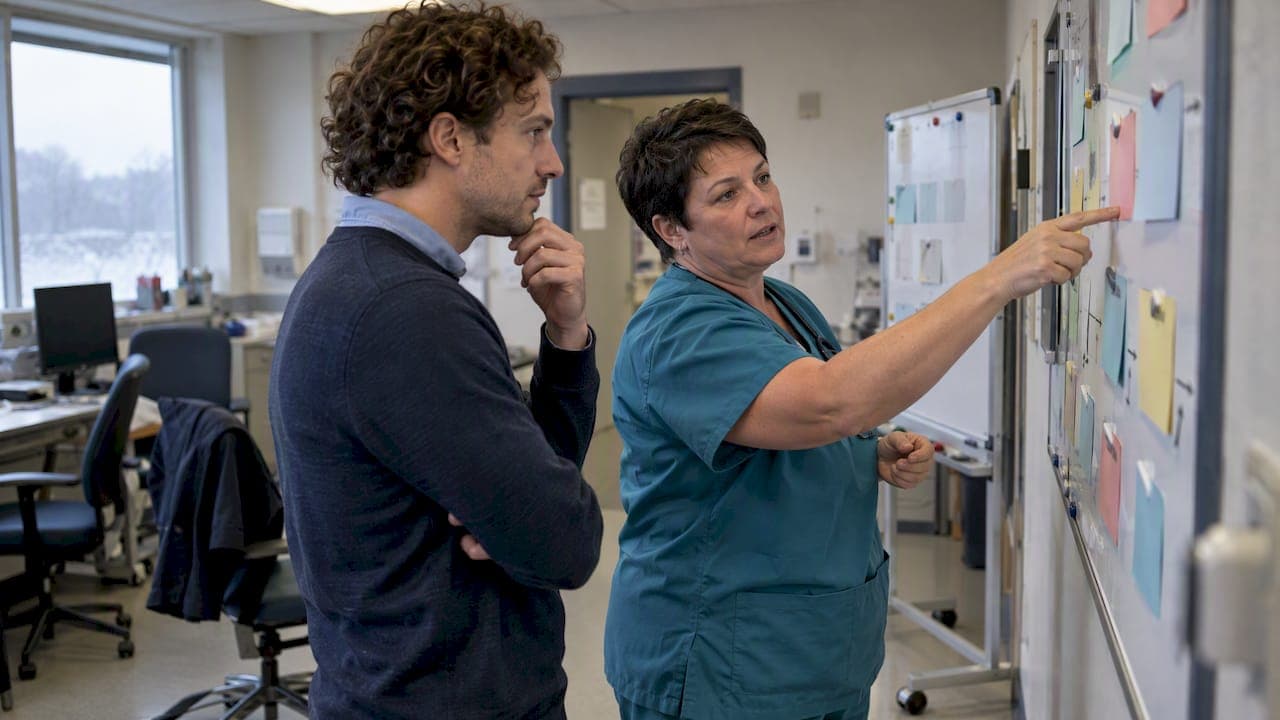
An effective healthtech advisory board is active, not decorative: a multidisciplinary group centered on clinician-operators who still touch workflow, procurement, and patient care today. Boards built this way can support adoption, strengthen Series A positioning, and help surface practical fixes early. If your board meets regularly and never opens a door, the next step is rebuilding it around people who can.
TL;DR:
- A pulmonary embolism decision tool reached 39.1% adoption with order entry nudges, versus 20.7% without them, showing workflow design can change uptake.
- Mayo Clinic's panel of 23 members spans clinical care, data science, user experience, and regulatory expertise, illustrating the value of multidisciplinary coverage.
- Advisory agreements should define scope, quarterly hours, conflicts, compensation, and KPIs tied to deliverables; founders should track pilots, procurement introductions, and workflow fixes, not attendance.
- Bring clinician advisors in before a pilot or sales objection surfaces, and ask them to own a small, concrete task rather than review the roadmap.
- For Series A diligence, a pilot plan shaped by a clinician who has run one can address execution risk better than a generic advisor slide.
Table of Contents
- Why healthtech advisory boards fail to drive adoption
- Passive advisors vs. active clinician-operator advisors
- How expert advisors de-risk fundraising and adoption
- Recruiting and retaining elite clinician-operators
- A practical advisory-board lifecycle for founders
- How we help founders build advisory boards that work
- What seasoned advisors know that founders often don't
- FAQ
- Sources
Why healthtech advisory boards fail to drive adoption
Most stalled healthtech projects do not fail on the science. They fail because nobody mapped the clinical workflow, or because the people expected to use the product never bought in. Research on early-stage clinical AI projects points to the same recurring culprits: weak end-user engagement, poor workflow planning, and data that was never labeled with real-world use in mind, according to analysis of clinical AI implementation.
The fix is not more oversight. It is better-designed nudges and sharper multidisciplinary input. A stepped-wedge trial of a pulmonary embolism risk tool found that adoption climbed to 39.1% when clinical decision support included order-entry nudges, versus 20.7% without them, according to the trial protocol published in Implementation Science.
A passive board can still produce polished slide decks and impressive names. What it rarely produces is workflow change, which is why so many boards amount to what we'd call clinical theater:
- Advisors attend meetings but never touch the product or the clinic floor.
- Feedback stays general ("looks promising") instead of specific to a workflow step.
- No one owns a pilot, a procurement introduction, or a measurable deliverable.
Adoption roughly doubled when order-entry nudges were added to a pulmonary embolism risk tool, according to the Implementation Science trial, underscoring how much design and engagement, not just technology, drive uptake.
Passive advisors vs. active clinician-operator advisors
Passive advisors lend visibility and open a few doors. Active clinician-operators do something different: they sit inside current workflows, understand procurement cycles, and can tell you within a meeting whether your product solves a problem clinicians will actually act on.
The difference shows up in what each type delivers:
- A passive advisor offers a name for your website and occasional email feedback.
- An active clinician-operator commits to specific pilots, introduces you to department heads, and flags workflow friction before it becomes a support ticket.
- A multidisciplinary board, like the 23-member panel Mayo Clinic Enterprise uses for AI translation work spanning data science, UX, regulatory, and clinical care, catches gaps a single advisor would miss, according to team science guidance on AI translation boards.
When you draft an advisory agreement, borrow structure from standard board contracts: defined scope, expected hours per quarter, conflict-of-interest language, and KPIs tied to deliverables rather than attendance, a pattern consistent with publicly filed advisory agreements.
Pro Tip: Ask every prospective advisor for a specific example of a workflow they changed. If they can't name one, they're a reference, not an operator.
How expert advisors de-risk fundraising and adoption
Procurement objections and workflow mismatches can prolong healthtech sales cycles. Active advisors may help address that gap when they have experience on the buying side of the table. They know which objections are real budget constraints and which are really workflow fears dressed up as budget constraints, a distinction borne out in work on national advisory boards in primary care research.
For fundraising, the same expertise reads differently to investors. A Series A deck with a credible pilot plan, built with a clinician who has actually run that pilot, signals lower execution risk than a deck built on assumptions.
- Clinical validation from a practicing advisor carries more weight in diligence than a generic advisory board slide.
- Realistic pilot timelines, informed by someone who has run similar rollouts, reduce the "how long will this actually take" question investors always ask.
- User-centered deployment paired with targeted training and leadership engagement produced strong adoption and satisfaction in a mixed-methods study of an AI tool embedded in an EHR, according to JMIR Human Factors research.
A well-scoped advisory board, documented in our guide to startup clinical advisory scope, is one of the more overlooked levers founders have before a fundraising round.
Recruiting and retaining elite clinician-operators
Finding advisors who will do real work, not just lend a name, takes a deliberate search. Academic medical centers, NIH-supported programs, and targeted outreach to practicing clinician-operators tend to outperform generic LinkedIn invitations.
- Start with NIH SEED's resource center, which connects founders with subject-matter experts on business strategy, regulatory pathways, and reimbursement.
- Use SEED's business consultation program for ad hoc guidance on commercial strategy, fundraising, and positioning before you finalize board composition.
- Approach department leads and clinical champions directly rather than waiting for a cold inbound interest; the strongest operators are usually still too busy practicing to go looking for board seats themselves.
Compensation varies by stage and commitment: equity grants, RSUs, retainer fees, or project-based payments all appear in typical advisory agreements, with time commitments often specified in days per quarter alongside conflict-of-interest and exclusivity clauses, consistent with publicly filed board advisor agreements.
Onboarding matters as much as recruiting, and healthcare startups can benefit from insights on how to streamline patient support for better outcomes. Set a clear meeting cadence, assign a small pilot ask early, and track whether it gets done.

Pro Tip: Measure advisor impact the same way you'd measure a sales rep: pilots started, introductions made, and workflow issues flagged, not meetings attended.
A practical advisory-board lifecycle for founders
Effective boards follow a recognizable six-stage lifecycle: establishment, member selection, advice generation, delivery, implementation, and monitoring and evaluation, according to research on advisory board structures. Boards can underperform when they skip implementation or monitoring and evaluation.
- Establishment: Define the board's purpose and the specific product or commercial problem it exists to solve.
- Member selection: Prioritize clinician-operators and specialists (data science, regulatory, UX) over general advisors, as detailed in our guide to structuring a medical advisory board.
- Advice generation: Bring specific decisions to the board, not open-ended updates.
- Delivery: Document recommendations in writing, tied to a named owner and a deadline.
- Implementation: Track whether recommendations actually changed the product, the pilot, or the sales approach.
- Monitoring and evaluation: Review pilots started, introductions converted, and workflow issues resolved each quarter.
How we help founders build advisory boards that work
Operationalizing an active advisory board is harder than assembling names for a webpage. Our advisory and fractional CMO services support healthcare startup founders with strategic and clinical guidance.
- We provide advisory support tailored to your product and commercial stage.
- We bring fractional Chief Medical Officer support when you need ongoing clinical leadership rather than occasional advice.
An engagement can include project-based advisory work or a retainer arrangement for fractional CMO support. Review our Fractional Chief Medical Officer and Advisory Services to see how an engagement is structured, or reach out to talk through where your current board is falling short.
What seasoned advisors know that founders often don't
Three rules consistently separate boards that move the needle from ones that don't. First, specificity beats prestige: a clinician who can name the exact workflow step your product disrupts is worth more than a well-known name who offers general encouragement. Second, the best advisor ask is small and concrete, something like "can you run a small pilot soon," not "what do you think of our roadmap." Third, sequence advisor work against your actual sales calendar. Bring clinical advisors in before a pilot, not after a deal stalls on a workflow objection nobody saw coming. Founders who treat advisory work as a parallel track to sales, rather than a prerequisite for it, tend to rebuild the same board twice.
— Paul Bergeron MD, MBA
FAQ
What makes a healthtech advisory board effective?
An effective board is centered on clinician-operators who still practice and can speak directly to workflow, procurement, and adoption barriers. Boards that follow a structured lifecycle, from establishment through monitoring, can be more useful than boards that meet without clear deliverables, according to research on advisory board frameworks.
How is a fractional Chief Medical Officer different from an advisory board member?
A fractional Chief Medical Officer provides ongoing clinical leadership and strategic input on a retainer basis, while an advisory board member typically contributes periodic guidance on specific questions. Founders often use both: a fractional CMO for sustained leadership and a board for broader multidisciplinary perspective, an approach we support through our advisory and fractional CMO services.
How many advisors should a healthtech startup recruit?
There's no fixed number; the right size depends on the product's clinical complexity and commercial stage. A multidisciplinary mix spanning clinical care, data science, regulatory, and UX, similar to the structure used in Mayo Clinic's AI translation board, tends to cover more real gaps than a larger board of generalists.
How do founders measure advisor impact?
Track concrete outputs: pilots initiated, procurement introductions made, and workflow issues identified and resolved, rather than meeting attendance. Boards that monitor these metrics regularly, consistent with the monitoring and evaluation stage described in advisory board lifecycle research, catch underperforming advisors faster.
What should go into an advisory agreement with a clinician-operator?
A solid agreement defines scope of work, expected time commitment, compensation structure, and conflict-of-interest disclosures, particularly when the advisor holds an institutional affiliation. Publicly filed advisory agreements typically specify these terms alongside KPIs tied to deliverables, as seen in sample board advisor contracts.